What is Fashion Designing?
Fashion design is a professional field where ideas are brought to life as wearable clothes and accessories that people can use. Students study fabric behaviour, colour, construction, and finishing, but also learn how clothing relates to culture and lifestyle. The aim is not just to make garments that look stylish, but ones that serve a purpose and be produced on a large scale.
The field covers far more than high-end fashion shows. Designers also create everyday wear, workwear, and functional clothing for specific needs. A structured course in fashion design prepares students to think critically about materials, aesthetics, and usability, while also training them to respond to changing industry demands.
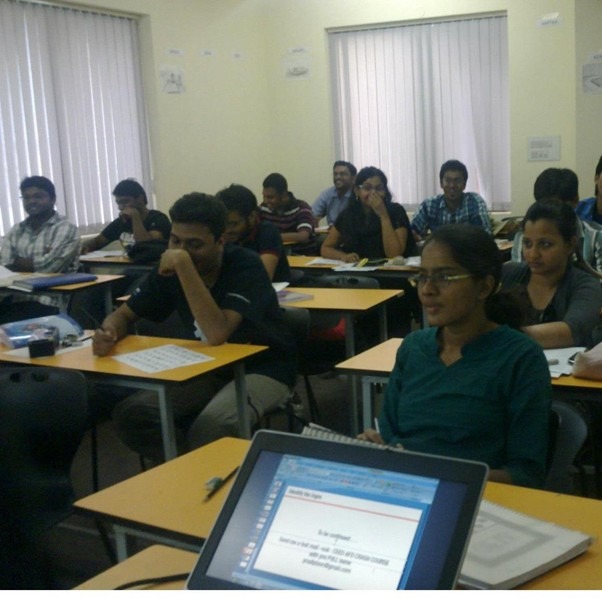
NIFT Classroom Coaching
NIFT Entrance exam coachingin Kochi, Ernakulam, Kerala Design Weekend for 12 & PG students
Design Regular for 12, drop-year & PG students
Design Advanced for 10, 11 & 12th students
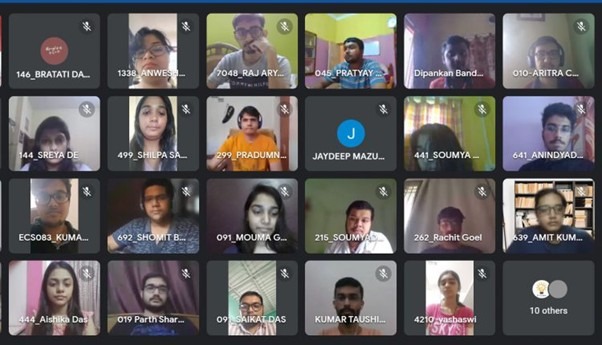
NIFT Online Coaching
NIFT Entrance Exam Coachinglearn from home
Design Weekend for 12, drop-year & PG students
Design Foundation for 9, 10, 11 & PG students
Design Advanced for 9, 10, 11 & PG students
Fashion Design Course: Eligibility Criteria and Admission Process
To join a fashion design course at the National Institute of Fashion Technology, (NIFT), a student must finish Class 12 from any recognised board. The stream doesn’t matter. A science, commerce, or arts background is all accepted. For the undergraduate program, there is also an age cap of 24 years for general category students, with a few years of relaxation for others.
Admission is through the NIFT entrance exam. The form is filled out online with basic details, certificates, and a photo. After that comes the test. It has two parts. CAT looks at sketching and creativity. GAT checks reasoning, maths, and communication. Students who clear both are called for the Situation Test. That round is hands-on. Candidates are given materials and asked to make a model in a limited time.
The final list is made by adding marks from all these stages. Seats are allotted in counselling based on rank and the choices filled by the student.
Get a callback from us!
Toppers from afdindia Institute
Will you be our next success story? Make a leap be an afdian

Bhadra Balu - AIR 1
NID M.Des – 2023

Sreehari S
- AIR 1
NID B.Des - 2017

Arun Pynadath - AIR 1
NID B.Des - 2018
D. Sakthiswari - AIR 1
NIFT B.Des - 2017
Fashion Designing Courses after 12th
The first option most students consider after Class 12 is a degree. At NIFT, the B.Des in Fashion Design runs for four years. The first year is common and teaches the basics. Later, students move into more focused work with textiles, construction, and design projects.
Outside NIFT, many universities offer B.A. and B.Sc. programs in fashion design. These also run for three to four years, but the quality differs widely. Some institutes provide strong links with industry and practical training, while others remain largely classroom-based.
Some students look for shorter programs instead of a full four-year degree. Diplomas and certificates usually run for one to two years and cover essentials like garment construction, textiles, and pattern making. These programs give a structured start, though the career scope is wider with a degree from NIFT. Many students use diplomas as preparation before attempting design entrance exams again.
Fashion Designing Entrance Exams
Entry into top fashion design colleges is through competitive exams. For NIFT, the process starts with the Creative Ability Test (CAT) and the General Ability Test (GAT). Every reputed college has an entrance exam that needs to be cleared for admission to their fashion design program.
Some private universities admit students directly through merit or internal assessments.
These exams are not only about drawing well. They look for clarity of thought, the ability to handle pressure, and originality in approach. Students usually spend a long time practicing before they feel ready for the written test, the model-making round, and the interview.
Fashion Designing Course Syllabus
The syllabus in fashion design covers both basics and advanced work. In the first year, you mostly sit with a sketchbook, practice lines, play with basic colours, and try making very simple pieces. They also learn how fabrics behave, along with basic stitching and pattern cutting. This is the foundation that every student goes through.
From the second year, the work gets more focused. Draping on mannequins, fashion illustration, and computer-aided design are introduced. Textile studies move deeper with dyeing, weaving, and surface design techniques. Students also start learning about the history of clothing and how trends are shaped.
Later years are project-heavy. Students create small collections, test different fabrics, and prepare garments for display. The final year usually ends with a graduation collection and a portfolio, which are shown to industry visitors during placements.
By the final year, students are expected to put together full collections and present them.
Fashion Designing Career Scope: Job Profiles, Salary, and Top Recruiters
Not every fashion design graduate ends up in the same kind of job. Many begin with entry-level roles in garment companies, often assisting senior designers. Some find themselves working in sampling units, helping collections take shape. A few go into textile firms where the focus is only on prints or fabrics. Others step away from core design and try styling work, retail buying, or merchandising.
Pay is modest at the start. Freshers often earn around ₹25,000 to ₹35,000 a month in Indian companies. Growth depends on skill, portfolio strength, and employers. With a few years of steady work, salaries can cross ₹6–8 lakh a year. Freelance work or setting up a small label can pay more, but income is irregular in the beginning.
Recruiters at NIFT campuses usually include export houses, retail chains, lifestyle brands, and sourcing offices of international labels. Names like Aditya Birla or Reliance are common. But not every student waits for campus drives; a lot of first jobs come through internship links or introductions from seniors already in the industry.
Why afdindia for Fashion Design Entrance Coaching?
At afdindia, we train students in the way the exam is set. Creative Ability, General Ability, and Situation Test; each is handled on its own. Students practice with the type of questions that appear in NIFT papers until they know how to manage them within the time given.
Our team also tracks dates, notices, and changes so students don’t miss important updates. Over the years, this approach has helped many of our students get into NIFT. What we offer is steady preparation and an exam experience that feels familiar by the time they sit for it. Enrol with afdindia now to begin the journey to your dream architectural career.
Fashion Design Course FAQs
Do I need to be good at drawing to clear the NIFT fashion design?
Basic sketching helps. However, examiners focus more on clarity of ideas than perfect art skills. Regular practice is enough.
How much maths is asked in the GAT paper?
The level is simple, up to Class 10. It includes arithmetic, percentages, and basic geometry. Speed matters more than complexity.
Can I prepare for the Situation Test without coaching?
It’s possible, but most students struggle the first time. The test gives you limited materials and very little time. Without practice, many students find this phase challenging.
Is fashion design only about clothing?
No. It also covers accessories, textiles, lifestyle products, and sometimes even footwear and styling.
How important is a portfolio for admission?
For NIFT’s UG fashion design, a portfolio is not part of the entrance. It matters more later in placements and internships.
Does NIFT offer placements directly after graduation?
Yes, placement cells invite recruiters. But many students also get work through internships or projects done during college.
Can I switch to fashion design after doing a degree in another field?
Yes if you already hold a degree, you can apply for postgraduate design courses. The undergraduate fashion design program is only for students who have just cleared Class 12.
Are internships compulsory in the NIFT fashion design course?
Yes, internships are built into the syllabus, usually in the later years.
afdindia - NID | NIFT | UCEED | NATA - tutorial & tution centre
near Metro Pillar 381, MI Arcade, 3rd Floor, NH544, Edappally Toll, Kochi, Kerala 682024
4.6 771 reviews
Hostels
Take the AFDSAT
get upto 90% scholarship







Kochi Center
3rd Floor, MI arcade, NH 47, Near Metro pillar 381, Edappally Toll, Ernakulam, Kochi, Cochin
Ph: 9895484652
Kannur Center
2nd Floor, Emarald Complex,
Kakkad Road, South Bazzar, Kannur,
Ph: 9895484651
Calicut Center
2nd Floor, City Tower,
Mavoor Road, Kozhikode
Ph: 9895484651